|
Welcome to Bill Northern.com |
|
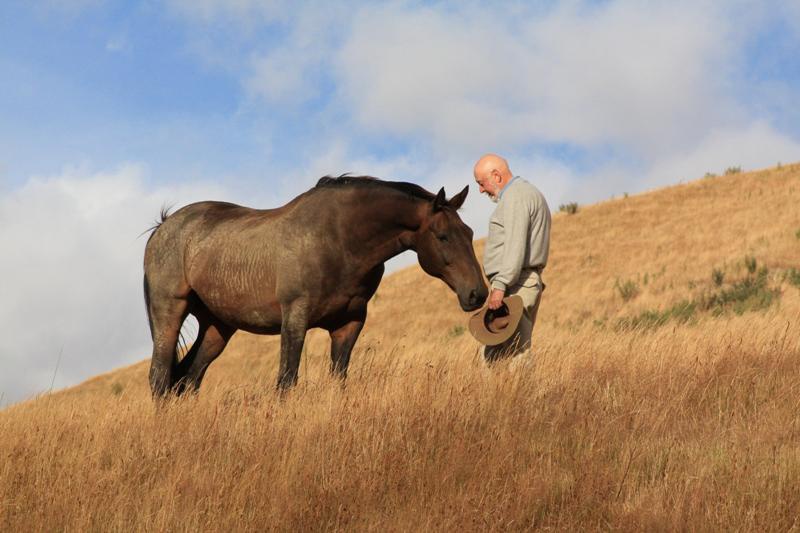
I am an Animal Communicator for All Animals and a Dowser. Thank you for taking the time to visit my web site. I hope you find it interesting and informative. This website has been set up to help explain how If you have any suggestions please contact Our Webmaster. Read the Latest Comments from Friends and Clients here |
|
Bill Northern |
|
Animal Communicator & Dowser |


Christchurch NZ |
Richmond VA USA |
|
Latest Comment: We picked up that this ankle was sore but the trainer did not believe us until she got to check it out. Thanks again for the help with Izzy. That left ankle has a bad case of scratches under the hair coat, very sore to the touch!... I told him that we were going to make him feel better and he sighed. Take care, Sarah
Stay well Bill - you are such a charming gentleman. I absolutely fell in love with your warm gentle southern accent, soft beautiful blue eyes and your genuine compassion for what you do. You ARE special and this world is so much more wonderful with you in it!
With warmest aloha, Colleen
Thanks Bill, That information about that horse today, was invaluable.... I would not have know how severe its problem was, without you and probably taken a gamble on it!! It is a lovely horse in all aspects--- except that!!! Looking at that leg when it moved, the problem was slightly visible but when I rode it and asked it to take some weight on it..... the horse was clear--- it really couldn't do it!! We would have been having all kinds of behavior problems down the track. That kind of issue I can do without --- it would be impossible to on sell the horse -- without total honesty. As always, thanks so much for your help.... I'll keep looking and hope the right one finds me!! Ttfn, G
More Comments Here |
|
THE COMMUNICATOR USUALLY FINDS IT FIRST I am going to use horses as an example in this story but it applies to all animals. From our earliest beginnings as an animal communicator, there has been a bit of skepticism with horse trainers and vets in particular. These folks have had a long tradition of ways to locate pain in horses; they have passed it along from generation to generation. They just have a difficult time believing that we can actually hear the horses. It has recently come to me that the reason we have more success dealing with individual horse owners is because they rub and treat everywhere the animal says they hurt, not just the places they can see or feel are a problem, Many is the time that a horse has told us it hurts somewhere and the trainer has watched the horse move and then put as much pressure as he could on a place to see if the horse would flinch. The presumption is that if the horse does not flinch he is not sore there. Next the vet comes to do the same thing but add some flex testing and often blocking the feeling to certain joints or areas. Often without being able to pinpoint the exact cause or location of the problem. Quite often, particularly after we do remote readings, the owner will ring a vet to come and when the vet goes over the horse he will proclaim that we are manufacturing problems. They will declare that there is nothing wrong in this area where we have located pain. But a week or two later when the joint is swollen and the horse is lame they will declare that this happened after they paid the earlier visit. We are often able to locate problems 10 to 14 days before modern medicine can diagnose them. Proof of this ability was made more evident recently in Lexington, KY. We were being followed around for a few days by a film crew doing a documentary on animal communicators. We were at a thoroughbred training facility and were going over some horses for a trainer we have known a number of years. This trainer had agreed to go on camera and talk about some of his experiences with us. There was a vet there who puts up with us but is still quite skeptical, even though we have known each other a number of years. We asked the vet to go on camera and talk about some of her experiences with us, but she refused. The vet seemed particularly interested in one of the horses we were going over and stopped her work to watch. We located some pain in the horses right front ankle and also in the right hind stifle. The trainer was quiet but the vet announced that she had gone over this horse thoroughly the day before and found absolutely no problems. She then entered the stall with the horse and knowing she was on camera proceeded to demonstrate how she would locate these problems, should they really exist. She flexed and stretched the front leg and ankle, then proclaimed there was no problem there. She next worked with the right hind leg. Pressing her fingers in the muscles and flexing the leg. When done she said that as a vet I can say there is not problem with this hind leg. The trainer who had been quietly watching and had a lot more confidence in us than the vet did, asked the vet if she practiced acupuncture? She said that she did . The trainer asked if she would check the acupuncture points for the problem areas we had found, she agreed to do so. While going over the horses shoulder, there was a point where the horse flinched a bit. She kept going over the shoulder and back, again the horse flinched when she touched that point. She proclaimed that that was the point for the ankle. She proceeded to the back leg and was going over the acupuncture points when the horse flinched. Again she kept working the area and when she returned to that point the horse flinched again. She then said that this is the point for the stifle. Then in a wee bit of a condescending tone she announced that she had unwittingly corroborated our findings. CASE CLOSED Lesson: Pay attention to everything your horse says, not just what you want to hear. Bill Northern November 12, 2007 |
|
IMPORTANCE OF HAVING A VET WILLING TO WORK WITH A COMMUNICATOR
We have been in Lexington, KY for about a year now and have convinced at least one vet that we really do listen to animals. The importance of a relationship with a vet has been very important for some animals well being. This May of 07, around 10 PM, we received a call from one of our major horse farm clients. The manager told us they had a sick foal and asked us to have a look at it. We normally work with these horses remotely so I told him we would do it in the morning. The manager said it was sort of an emergency and asked if we could possibly go over him tonight. We agreed and told him we would ring him in a few minutes with our findings. This farm frequently rings us to assist their vet with proper diagnosis. We went over the foal and found a bit of flem in the foals throat and seemed to see a lot of fluid in a lung. Since they told us it was an emergency we suspected colic but could find no problems in the foals digestive system. When we rang the manager and we gave him our findings. He thanked us for working on such short notice. The next morning I rang the farm to check on the foal and was told he was doing well. I inquired as to what happened. The vet was there when they called me and the manager said they were going to operate on the foal for colic. The farm manager wanted our opinion first. The vet could see the flem in the throat but in checking with his stethoscope could not locate any large amount of fluid in the lungs. This vet has worked with us for a few months and knew that if we saw the fluid, it was there somewhere. He thought for a few minutes and figured the bladder must be where we saw the large amount of fluid. He located a catheter and drained almost a gallon of urine from the foals bladder. Result Well foal, minimal vet bill.
A MONTH LATER We received a call from another farm. The manager said they had a horse that seemed to be coming down with colic. She was laying down a lot and putting her head to her stomach. This farm does not use a vet that pays any attention to animal communicators. Their vet was not available so they were seeking our assistance until the vet could get there. I pulled over to the side of the road and went over the horse the best we could. We could see no obstructions in the horses digestive system and suggested the problem was severe gas pain. We tend to get pain the same place the animal has pain so we can often correctly describe the pain quite accurately. We told them to place their hand on the horses stomach and press hard. They did this until the vet arrived. When he arrived the vet looked at the horse and almost immediately decided it was colic and proceeded to operate. It turned out to be only gas. Result: Only gas was found. $6,000 vet bill and a very sick horse for a few weeks with more medical expense and care. We sometimes make an error in our diagnosis but very seldom. It will always benefit you to hear what the animal has to say. |
|
The Dowser and the Vet Watch the Video |